
digital frosted glass
Understanding the Three Types of Micrometers Micrometers, often referred to as micrometer screws or simply micrometer gauges, are precision measuring instruments that play a vital role in various fields, including engineering, manufacturing, and metrology. They are designed to measure small distances, thicknesses, and diameters with remarkable accuracy, typically within a range of 0.01 mm to 0.001 mm. The functionality of micrometers is based on a screw mechanism, which allows for finely tuned measurements. In this article, we will delve into the three primary types of micrometers the outside micrometer, the inside micrometer, and the depth micrometer, along with their uses and advantages. 1. Outside Micrometer The outside micrometer is arguably the most common type of micrometer. It is specifically designed for measuring the external dimensions of objects, such as the diameter of rods, the thickness of sheets, or the size of machined parts. The range of an outside micrometer typically varies from 0 to 25 millimeters, 0 to 50 millimeters, or even higher, depending on the model. The outside micrometer features a “C” shaped frame, within which a calibrated screw is moved by turning the thimble. When measuring, the object is placed between the anvil (a static part) and the measuring face of the spindle (the movable part). As the thimble is rotated, the spindle moves toward the anvil, pressing the object securely for a precise measurement. The measurement can be read directly from the scale on the micrometer and is enhanced with a Vernier scale for greater accuracy. One of the key advantages of the outside micrometer is its high accuracy and ease of use, making it a preferred tool for machinists and engineers when precise measurements are critical . 2. Inside Micrometer While the outside micrometer measures external dimensions, the inside micrometer is designed to measure the internal dimensions of holes, grooves, or boundaries. This type of micrometer typically consists of a set of rods, allowing users to extend or shorten the measuring range as needed. 3 types of micrometers An inside micrometer operates on a similar principle to its outside counterpart a calibrated screw that moves a measuring contact point (often a pair of contacts) along the inner surface of a hole. Like inside micrometers, external measurement techniques can introduce measurement errors due to the gripping mechanism, which is avoided with the inside micrometer’s design. The usage of inside micrometers is essential in applications such as measuring the diameter of bore holes or internal fittings. Their ability to deliver precise internal measurements makes them an indispensable tool in quality control and inspection processes. 3. Depth Micrometer The depth micrometer is specifically designed to measure depths, such as the depth of slots, holes, or recesses. It incorporates a precision bar that extends perpendicular to the measurement axis, allowing accurate depth measurement from a reference plane. This type of micrometer typically features a flat base that rests on the surface of the workpiece, with the measuring rod descending into the hole or recess being measured. The reading is taken from a scale on the micrometer’s body, making it straightforward to read. Depth micrometers are equipped with interchangeable rods of various lengths, enabling the measurement of variable depths without affecting accuracy. The depth micrometer is essential in various applications, such as inspecting tooling installations, depth gauges on machining setups, and ensuring that the appropriate tolerances are maintained in engineering applications. Conclusion In summary, the different types of micrometers—outside, inside, and depth micrometers—provide a comprehensive approach to measuring small dimensions with precision. Each type is tailored to specific measurement needs, making them invaluable tools in mechanical engineering, quality control, and machining processes. Understanding the functions and applications of these precision instruments enhances the ability to obtain accurate measurements, ultimately improving the quality and performance of manufactured products. Whether one is a seasoned engineer or a novice machinist, familiarizing oneself with these three types of micrometers is essential for achieving excellence in any precision measurement endeavor.
about
digital frosted glass
Understanding the Threaded Ring Gauge A Key Tool in Precision Measurement In the realm of precision engineering and manufacturing, accurate measurements are paramount. One indispensable tool used in this field is the threaded ring gauge. This device, designed with precision in mind, plays a crucial role in ensuring the proper sizing and threading of components, which are vital for the function and safety of mechanical assemblies. What is a Threaded Ring Gauge? A threaded ring gauge is a cylindrical gauge used to measure the external threads of a workpiece. These gauges are manufactured according to strict standards, ensuring that they can accurately assess and verify the dimensions and pitch of threads on various components. They are typically made from high-quality materials such as steel or carbide to ensure durability and resistance to wear and tear during repeated use. The primary function of a threaded ring gauge is to provide a means of checking the size and shape of threaded parts. This is critical in industries such as automotive, aerospace, and manufacturing, where components must fit together perfectly to function correctly and reliably. Types of Threaded Ring Gauges Threaded ring gauges come in two main types go gauges and no-go gauges . 1. Go Gauge This gauge is designed to fit onto the external threads of a part. If the gauge fits, it confirms that the part’s thread dimensions are within acceptable tolerances. The go gauge essentially checks for the minimum thread size; if it passes, the part can be considered acceptable. 2. No-Go Gauge Conversely, the no-go gauge does not fit onto the threads if they are within specified limits. This gauge checks for the maximum allowable size. If the no-go gauge does fit onto the threads, it indicates that the part's size exceeds tolerances, thus rendering it unacceptable. threaded ring gauge Together, these gauges help ensure that threaded components not only fit into their intended counterparts but also maintain structural integrity and functionality under operational stresses. Importance of Threaded Ring Gauges in Production The use of threaded ring gauges is crucial for quality control in production processes. They help detect any deviations in thread formation early in the manufacturing process, which can save companies valuable time and resources. Detecting issues at an early stage prevents the potential costs associated with rework or scrapping defective parts. In addition to ensuring measurement accuracy, using threaded ring gauges enhances the overall reliability of products. For industries where safety is non-negotiable, like aerospace and automotive, ensuring the integrity of threaded joints can prevent catastrophic failures. Calibration and Maintenance For threaded ring gauges to maintain their accuracy, regular calibration is essential. Calibration involves comparing the gauge measurements against a known standard. This process should be performed periodically to ensure that the gauges remain within their specified tolerances. Proper maintenance of these tools can also extend their lifespan. Keeping them clean and free from debris is important, as contaminants can interfere with measurement accuracy. Storing gauges in protective cases when not in use can further prevent damage and wear. Conclusion In summary, the threaded ring gauge is an essential tool in the toolbox of precision measurement. It serves as a definitive means to verify the dimensions of threaded components, ensuring compatibility and performance in mechanical assemblies. By understanding the types, applications, and maintenance of threaded ring gauges, industries can enhance their production quality, bolster safety, and improve overall operational efficiency. As technology advances and the demand for precision engineering grows, the role of threaded ring gauges will undoubtedly remain vital in maintaining high standards across various manufacturing sectors.
-

High quality industrial productsagement

High quality industrial products
View Details -

Meet the diverse needs of customers

Meet the diverse needs of customers
View Details -

Strict quality control

Strict quality control
View Details -

Top raw materials

Top raw materials
View Details -

Trusted supplier

Trusted supplier
View Details
Our application
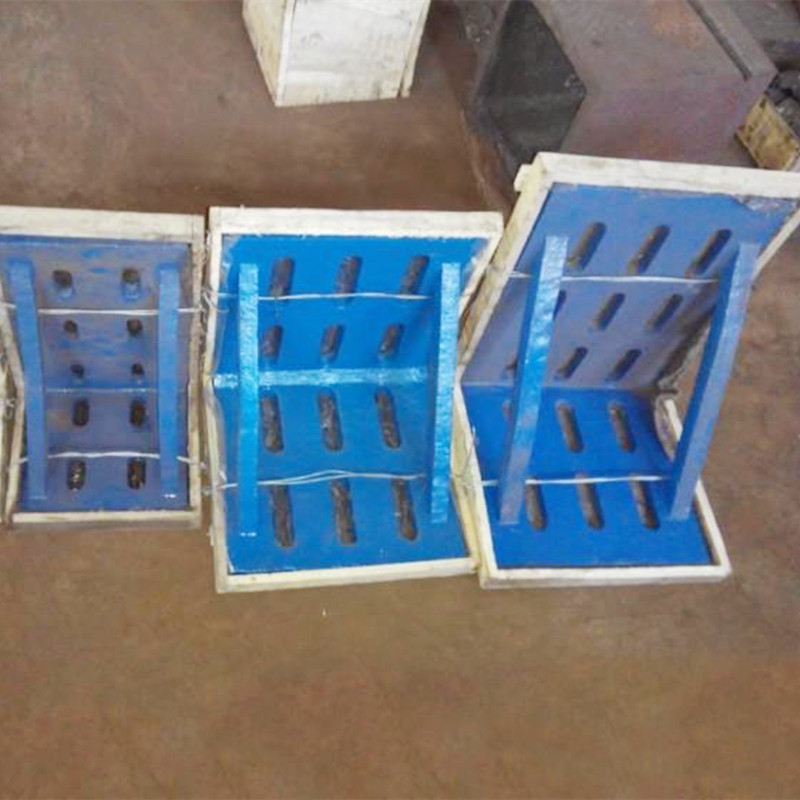
news and information
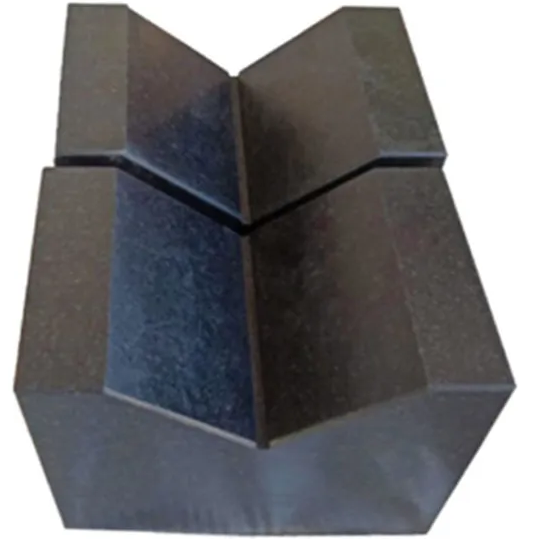
Using a Right Angle Ruler for Accurate Measure and Design in Everyday Projects
The Versatility of the Ruler with Right Angle A Tool of Precision and Creativity The ruler with a ri

welding fab table for sale
The Rise in Popularity of Welding and Fabrication Tables for Sale In recent years, the demand for we
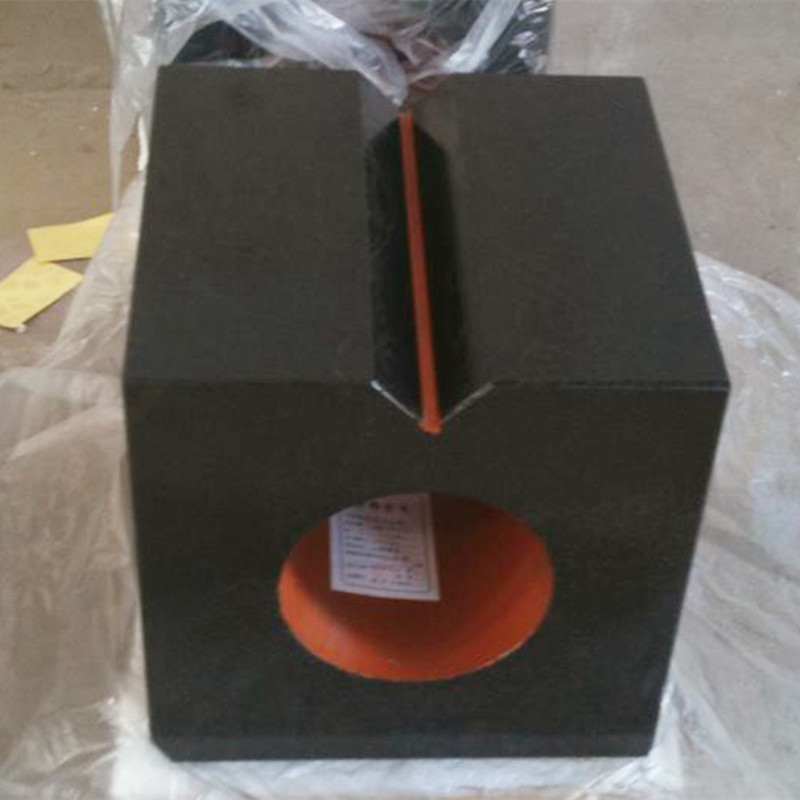
water hose check valve
Understanding the Importance of Water Hose Check Valves Water hose check valves are essential compon
 English